Safe Himalayan travel — Dharamshala & Spiti with a vetted guide
The Himalayan belt — Dharamshala's Tibetan culture and Spiti's high valleys — rewards prepared travelers. High altitude and remote roads make a vetted, safety-first guide essential rather than optional.
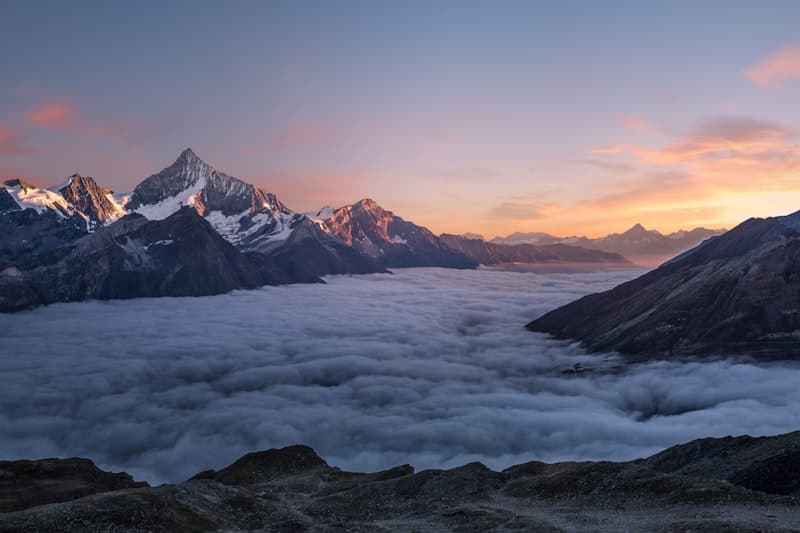
Altitude safety in Spiti
Spiti sits above 3,800m. Your guide plans gradual ascent from Shimla or Manali, schedules rest days, and carries supplemental oxygen and a first-aid kit. Hydration and pacing are managed, not left to chance.
Mountain road & driver safety
Spiti's roads are narrow and weather-dependent. FastDrop uses only vetted mountain drivers with current permits, times crossings such as Kunzum Pass to safe windows, and never drives mountain legs after dark.
Monastery visits & cultural etiquette
Your guide briefs you on monastery etiquette — photography rules, prayer-hour access, and dress — so visits are respectful and unhassled. Remote monasteries have no ticketing infrastructure; your guide handles access.
Himalayan safety — your questions
Is Spiti Valley safe for tourists?+
Yes, with a vetted guide and acclimatization plan. The real risks are altitude sickness and mountain roads, both managed by a safety-first guide through gradual ascent, rest days, and experienced drivers.
How do you prevent altitude sickness in the Himalayas?+
We plan a gradual ascent, schedule rest days above 3,000m, keep hydration front of mind, and carry supplemental oxygen. If symptoms appear, your guide descends immediately — the only reliable treatment.
Is Dharamshala safe for solo travelers?+
Dharamshala (McLeod Ganj) is a relaxed, traveler-friendly hub and safe for solo visitors. A guide helps with the Triund trek logistics and the bus-and-taxi connections from Pathankot or Kangra airport.
Himalayan Escape
Monasteries, mountain passes, and Tibetan culture — high-altitude travel with safety-first logistics.
Plan this trip